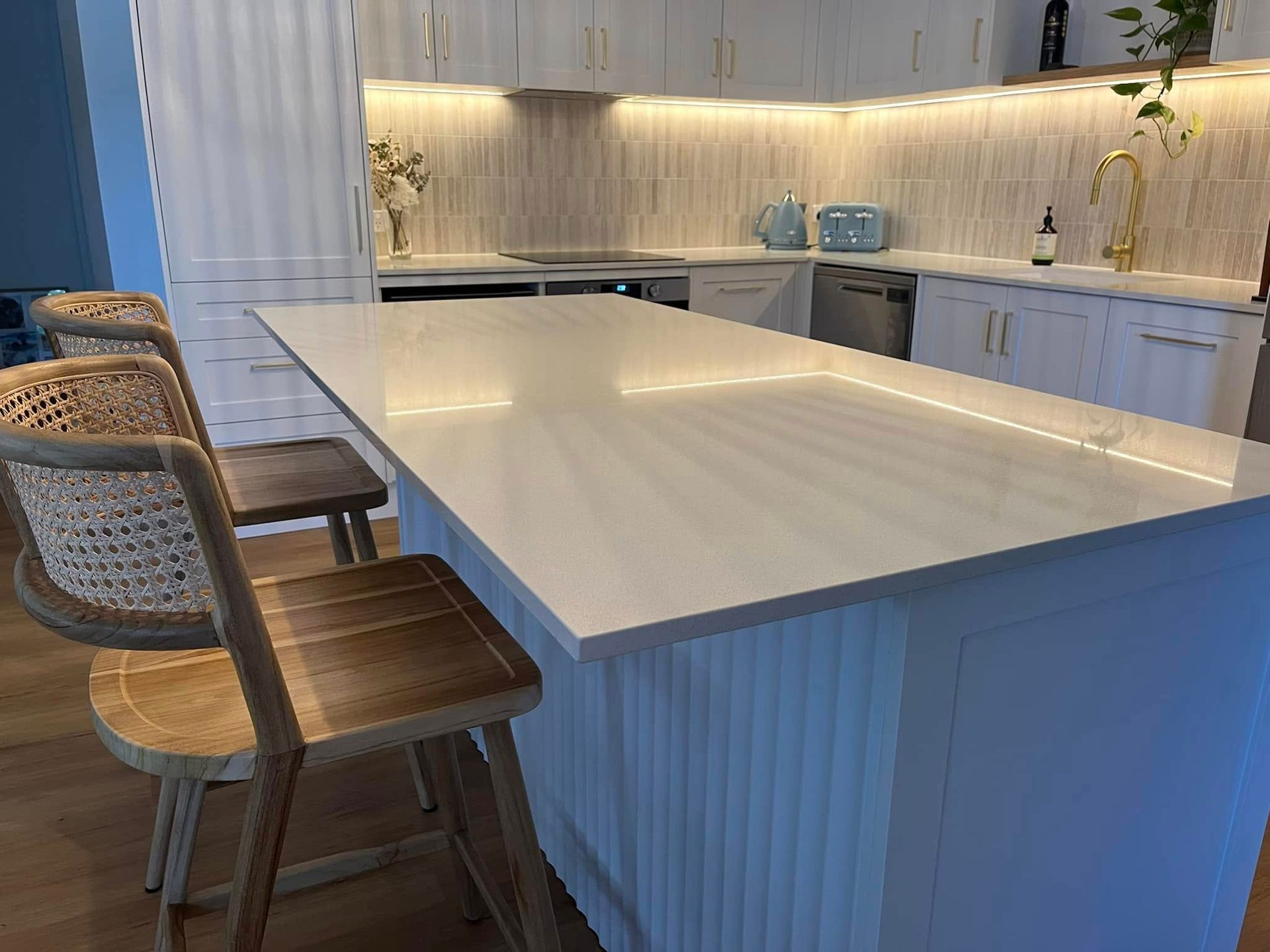
How To Choose The Best Stone Benchtop For Your Gold Coast Home
Choosing a stone benchtop involves more decisions than most homeowners expect when they first start looking. The material, the finish, the edge profile, the thickness and how all of it holds up in a working kitchen are all worth thinking through before you commit. Get it right and you have a surface that performs well for decades. Get it wrong and you are looking at a replacement far sooner than you planned.
This guide walks through the key considerations for selecting a stone benchtop that suits your home, your habits and your budget.
Understanding the Main Stone Types Available
The starting point for any benchtop decision is understanding what the main material options actually are and how they differ in practice. Each has its own composition, performance profile and aesthetic range. The four most common stone benchtop materials are:
- Granite: a natural stone quarried in slabs, hard-wearing and heat resistant, with natural variation in pattern and colour between slabs
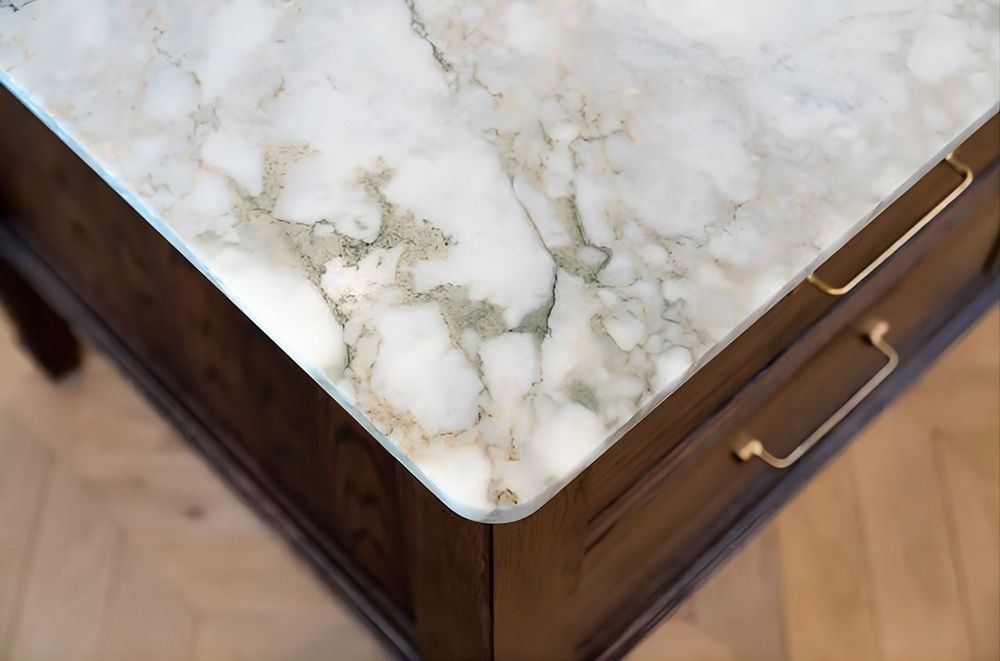
- Marble: a natural stone with a distinctive veined appearance, softer than granite and more prone to staining and etching from acidic substances
- Porcelain: a ceramic-based product fired at high heat, available in large format slabs and resistant to heat, scratching and UV fading
- Limestone and travertine: natural stones with a softer, more textured look, often chosen for their warm tones and character in coastal-style homes
Each material suits different priorities, and none is universally the right choice for every household.
How Your Kitchen Habits Should Influence the Material You Choose
The way a kitchen is actually used day to day is one of the most practical filters for narrowing down material options. A household that cooks frequently and uses the benchtop heavily needs different performance characteristics from one where the kitchen sees lighter use. Usage considerations that affect material choice include:
- High-use kitchens benefit from dense, low-porosity surfaces that resist staining from oils, sauces and acidic foods
- Households that place hot pots directly on the benchtop should consider materials with strong heat resistance such as granite or porcelain
- Marble, while visually distinctive, requires more maintenance in active kitchens due to its susceptibility to etching from lemon juice, vinegar and wine
- Granite handles everyday kitchen use reliably and, once properly sealed, requires only routine maintenance compared to softer natural stones
Being honest about how the kitchen is used leads to a better material decision than choosing purely on aesthetics.
Coastal Conditions Affect How Some Stone Performs Over Time
Properties in coastal environments face conditions that inland homes do not, and these can influence how certain benchtop materials hold up over time. Humidity, salt air and temperature variation are worth factoring into the decision alongside the usual considerations. Relevant points for coastal homes include:
- High ambient humidity means sealants on porous natural stones need to be reapplied more diligently to prevent moisture absorption
- Natural stones that require sealing need more frequent maintenance in humid environments where moisture is consistently present
- Porcelain is particularly well suited to coastal conditions due to its non-porous composition and resistance to UV fading from natural light
- Granite from reputable quarries performs reliably in Australian coastal climates provided it is sealed correctly at installation and resealed on schedule
Selecting a material specified for Australian residential conditions rather than an imported product not tested in local climates reduces long-term risk.
Finish and Texture Change Both the Look and the Maintenance Requirements
The surface finish applied to a stone benchtop affects its appearance, how it feels underfoot and how it needs to be maintained. Most materials are available in more than one finish, and the choice between them is not purely aesthetic. Common finish options and their practical implications:
- Polished: high-gloss surface that reflects light and shows the stone's colour depth most vividly, but shows fingerprints and surface marks more readily
- Honed: matte or satin surface with a softer appearance, less reflective and more forgiving of everyday marks
- Leathered or brushed: textured surface with a tactile quality, good at concealing smudges but requires more attention when cleaning around the texture
- Sandblasted: a rougher, more rustic finish suited to specific design styles and less common in residential kitchens
The finish decision is worth making alongside the material choice rather than treating it as a secondary consideration.
Edge Profiles Affect the Overall Look More Than Most People Expect
The edge profile is the shape applied to the exposed edges of the benchtop and has a noticeable effect on the finished appearance of the kitchen. It is also one of the elements that contributes to fabrication cost, with more complex profiles requiring more labour. Common edge options include:
- Square or pencil round: clean and minimal, suits contemporary and Hamptons-style kitchens, lower fabrication cost
- Bevelled: a 45-degree cut along the top edge, adds definition without complexity
- Bullnose: fully rounded edge, softer in appearance and commonly used in family homes with young children
- Waterfall: the benchtop material continues vertically down the side of the cabinetry, a design feature that uses significantly more stone
Discussing edge profiles with your fabricator at the templating stage ensures the finished result matches the design intent.
Thickness Options and What They Mean for Cost and Appearance
Stone benchtops are available in different thicknesses, and the choice affects both the visual weight of the surface and the overall project cost. Standard thicknesses in the Australian market are 20mm and 30mm, with some materials available in thinner formats. Key considerations around thickness:
- 20mm is the standard residential thickness, suits most kitchen styles and is the more cost-effective option
- 30mm creates a more substantial visual presence and is often used in higher-specification kitchens or to match thicker cabinetry profiles
- Mitered edges can create the appearance of a thicker slab using standard 20mm material, achieving a similar look at lower material cost
- Heavier slabs require adequate cabinet support, which is worth confirming with your cabinetmaker before specifying a thicker product
Getting the Most From Your Budget Without Compromising on Quality
Stone benchtops sit across a wide price range depending on material, finish, thickness and the complexity of the job. Understanding where the cost drivers are helps homeowners allocate budget more effectively. Practical ways to get value from your benchtop budget:
- Granite generally offers a strong balance of durability and price across the mid-range market
- Choosing a more complex edge profile or thicker slab on a smaller kitchen has a proportionally lower cost impact than applying it to a large open-plan space
- Waterfall ends and curved sections increase both material and fabrication costs significantly
- Getting a templated quote based on your actual kitchen dimensions gives a more accurate figure than an estimate based on approximate measurements
Talk to Our Team About Stone Benchtops for Your Home
We at Elite Stone work with homeowners across the Gold Coast on benchtop selection, fabrication and installation. The Gold Coast's coastal conditions, the popularity of open-plan kitchen designs in the area and the range of architectural styles from modern high-rise apartments to traditional hinterland homes all influence what works well here. Stone benchtops on the Gold Coast need to perform in conditions that differ from those in other parts of the country, and we factor that into every recommendation we make.
Whether you are renovating an existing kitchen or specifying stone benchtops for a new build, our team can help you work through the material, finish and profile options that suit your space. Get in touch to discuss your project and we will take it from there.